In the textile industry, selecting the right material is essential for ensuring the quality, performance and long lasting of a product. Two major categories dominate this space, woven and nonwoven fabrics. Each type has unique characteristics, production methods and applications, which make them suitable for specific uses. At Unique Solutions, we often help clients choose the best fabric for their products by understanding these differences.
Whether you are in fashion, industrial manufacturing, healthcare or technical textile production, knowing the distinctions between woven and nonwoven fabrics can save time, reduce costs, and improve product functionality. This comprehensive guide explores the differences, advantages, uses, and selection criteria for these materials.
What Are Woven Fabrics?
Woven fabrics are textiles made by interlacing two sets of yarns at right angles to each other. The longitudinal yarns are called the warp, and the transverse yarns are called the weft. This textile fibers and yarn interlacing process creates a stable, durable fabric with a defined structure.
The weaving process has been used for thousands of years to produce materials with excellent strength and versatility. Today, woven fabrics are employed in apparel, upholstery, home textiles, and even technical applications like industrial filters and protective clothing.
Types of Woven Fabrics
There are several types of woven fabrics, categorized by the weaving technique:
- Plain weave: Simple and durable, used for shirts, bedsheets, and upholstery.
- Twill weave: Recognizable by its diagonal pattern, often used in denim and jackets.
- Satin weave: Smooth and lustrous, commonly found in eveningwear and luxury fabrics.
These variations provide different textures, drape, and durability, allowing designers to select fabrics that meet both aesthetic and functional needs.
What Are Nonwoven Fabrics?
Unlike woven textiles, nonwoven fabrics are manufactured by bonding fibers together mechanically, chemically, or thermally. This eliminates the need for weaving or knitting. Nonwoven fabrics are lightweight, flexible, and often disposable, which makes them highly useful in medical, hygiene, and industrial applications.
Types of Nonwoven Fabrics
There are multiple types of nonwoven fabrics, including:
- Spunbond: Durable, lightweight, and commonly used in disposable garments and medical masks.
- Meltblown: Fine fibers that create an effective barrier, ideal for filtration products.
- Needle-punched: Strong and thick, often used in carpets, geotextiles, and insulation.
Each type offers unique properties, making nonwoven fabrics suitable for products where functionality and efficiency are prioritized over traditional aesthetics.
Woven vs Nonwoven Fabric Comparison | ||
|---|---|---|
Feature | Woven Fabrics | Nonwoven Fabrics |
Structure | Interlaced yarns | Bonded fibers |
Manufacturing method | Traditional weaving | Thermal, mechanical, or chemical bonding |
Durability | High | Moderate to low |
Cost | Higher | Lower |
Main Uses | Apparel, furnishings, durable goods | Medical, hygiene, filtration, disposables |
This summary highlights how each fabric aligns with different product goals.
Benefits of Non-Woven Fabrics
The benefits of non-woven fabrics are numerous. They are lightweight, economical, and can be manufactured quickly in large volumes. Nonwoven fabrics are also highly versatile, making them suitable for medical masks, filters, insulation, and protective garments.
Advantages of non-woven materials include:
- Breathability
- Water and liquid repellency
- High filtration efficiency
- Reduced material waste during production
These advantages make nonwoven fabrics indispensable in healthcare, hygiene products, and industrial applications.
Choosing Between Woven vs Non-Woven Fabrics
When choosing between woven vs non-woven fabrics, several factors should be considered:
- Intended Use: Products requiring durability, structure, and long-term use benefit from woven fabrics. Disposable or filtration-based products perform better with nonwoven materials.
- Cost: Nonwoven fabrics are often less expensive to produce.
- Performance Requirements: Consider strength, flexibility, absorbency, and breathability.
By evaluating these factors, manufacturers can select the most appropriate material for their needs. At Unique Solutions, we help businesses analyze these properties to make cost-effective and performance-driven choices.
Properties That Affect Fabric Choice
Several properties that affect fabric choice include:
- Tensile strength: How much force a fabric can withstand before breaking.
- Absorbency: The ability to hold liquids, important for hygiene products and medical textiles.
- Breathability: Ensures comfort in clothing and protective garments.
- Flexibility and drape: Determines how a fabric moves or conforms to shapes.
Understanding these properties helps in selecting fabrics that meet both functional and aesthetic needs, ensuring longevity and user satisfaction.
What Fabrics Are Best for Specific Products
Choosing the right fabric depends on the type of product being manufactured:
- Apparel and upholstery: Woven fabrics
- Medical masks, filters, and disposable garments : Nonwoven fabrics
- Technical textiles and geotextiles: Can use woven or nonwoven fabrics depending on required strength and filtration efficiency
By understanding the characteristics and applications of each type, manufacturers can optimize production processes and product quality.
Uses of Woven and Nonwoven Fabrics
The uses of woven and nonwoven fabrics span across multiple industries:
- Fashion: Woven fabrics dominate clothing lines for structure and durability, while nonwoven fabrics are used for interfacing and disposable protective wear.
- Home textiles: Woven fabrics are preferred for curtains, bed linens, and upholstery.
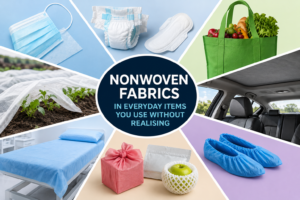
- Healthcare: Nonwoven fabrics are widely used in masks, gowns, and surgical drapes due to their cost-effectiveness and hygiene benefits.
- Industrial applications: Both types are used in filters, insulation, and soil stabilization projects.
This wide range of applications demonstrates the importance of understanding each material’s capabilities.
Conclusion
Choosing between woven and nonwoven fabrics is not just about aesthetics, it involves considering durability, cost, functionality and intended use. Woven fabrics provide structure, longevity and a premium feel, whereas nonwoven fabrics offer versatility, efficiency and affordability.
By understanding the differences, benefits of non-woven fabrics, key properties, manufacturers and designers can make informed decisions that enhance product performance. Whether for apparel, healthcare, home textiles or industrial applications, selecting the right fabric is crucial for success.
As a leading Nonwoven Fabric Manufacturer in Oman, we specialize in the large-scale supply of high-performance spunbond Nonwoven Fabric designed to meet severe industrial standards. We are a trusted primary supplier across Oman, the UAE, Saudi Arabia, Qatar, Kuwait and Bahrain.
Frequently Asked Questions
Which is stronger, woven or nonwoven fabrics?
Woven fabrics generally have higher tensile strength and durability due to the interlacing of yarns. Nonwoven fabrics are lighter and may be less durable.
Are nonwoven fabrics reusable?
Most nonwoven fabrics are intended for single-use applications, such as medical masks or filters. Some heavier needle-punched types can be used for longer-term industrial purposes.
Can woven fabrics be used for filtration?
Yes, woven fabrics can be used for certain filtration applications, but nonwoven fabrics often provide better efficiency due to their bonded fiber structure.
Which fabric is more cost-effective?
Nonwoven fabrics are usually more cost-effective, especially for disposable items or large-scale production.
How do I choose between woven and nonwoven fabrics?
Consider the product’s purpose, durability requirements, production volume, and properties like absorbency, breathability, and flexibility.