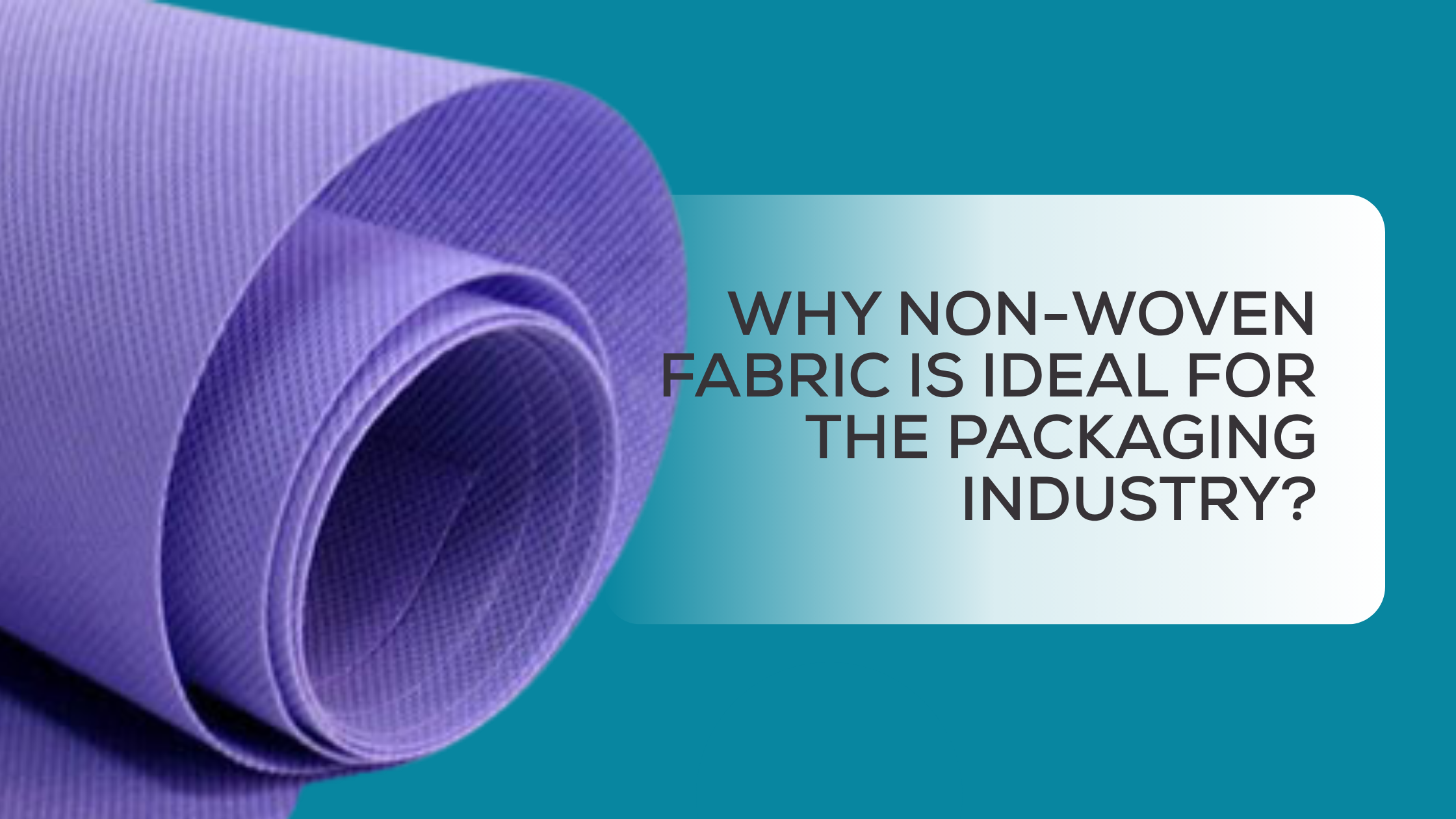
Packaging has come a long way from paper bags and plastic wraps. Today, businesses are actively looking for materials that are strong, affordable, and sustainable, all at once. Non-woven fabric has all these qualities. Whether you’re shipping products, branding retail bags, or looking for eco-friendly packaging solutions, non-woven fabrics are quietly becoming the top choice across industries. In this article, we’ll cover its key benefits, applications, and how businesses can choose the right type for their needs.
What Is Non-woven Fabric?
If you’ve ever held a reusable shopping bag or seen the inner lining of a surgical mask, you’ve already touched non-woven fabric. Unlike traditional woven textiles, non-woven fabric is made by bonding or interlocking fibers together using heat, chemicals, or mechanical processes, not by weaving or knitting them. These processes result in a flat, flexible, and surprisingly strong sheet of material that can be used for almost any purpose.
It comes in a wide range of weights, textures, and colors. It’s used in agriculture, healthcare, construction, hospitality, hygiene materials, automotive interior fabric and packaging.
Types Of Packaging Bags That Can Be Made From Non-Woven Fabric
Below are the types of non-woven bags that can be made from non-woven fabric:
W-Cut Non-Woven Bags
U-Cut Non-Woven Bags
D-Cut Non-Woven Bags
Loop Handle Bags
Box bags
Shopping Tote Bags
T-shirt Cut Bags
Zipper Non-Woven Bags
Drawstring Bags
Grocery Bags
Foldable Bag
Takeaway Bag
Why Non-woven Fabric Is Perfect for Packaging
Let’s get into the real reasons why businesses are making the switch. Here’s what makes non-woven fabric stand out when it comes to packaging:
1. High Strength and Durability
Non-woven fabric doesn’t tear easily under pressure. It holds its structure even when carrying heavy items, making it ideal for non-woven fabric carry bags, product wrapping, and bulk storage pouches. The bonded fiber structure distributes stress across the material rather than concentrating it at one point which is why it outlasts many traditional packaging options.
2. Cost-Effective for Bulk Production
For any non-woven fabric manufacturer, scaling production is relatively straightforward. The raw material costs are lower, the manufacturing process is faster than weaving, and the output is reliable. This means businesses ordering in bulk get a high-quality product at a low price that makes commercial sense. For packaging brands managing tight margins, that matters a lot.
3. Lightweight and Easy to Handle
Despite its strength, non-woven fabrics are remarkably light. This directly reduces shipping costs and makes handling easier at every stage of the supply chain, from the factory floor to the customer’s hands. A non-woven fabric bag can hold several kilograms of goods while weighing almost nothing itself.
4. Eco-Friendly and Reusable
This is probably the best benefit right now. Non-woven fabrics, especially those made from polypropylene, can be reused dozens of times before they show wear. Many variants are also recyclable. With global pressure on businesses to reduce plastic waste, switching to non-woven packaging is a genuine step toward sustainability.
5. Breathability and Moisture Control
One of the underrated non-woven fabric uses in packaging is for short-life products and products that need airflow. Non-woven fabric is naturally breathable, which prevents moisture buildup, mold, and condensation inside packaging. For food items, agricultural produce, or products stored in humid environments, this makes a real difference in shelf life and product quality.
6. Easy Customization and Printing
Non-woven fabric takes color and printing exceptionally well. Whether you want a minimal design aesthetic for your brand packaging or bold graphics for retail display, the surface handles both. Businesses can easily print logos, taglines, and product details directly onto the fabric, making it a powerful branding tool in addition to a functional packaging material.
Raw Material of Non-woven Fabrics
Understanding what goes into the product helps you make smarter sourcing decisions. The most common non-woven fabric raw material is polypropylene (PP), a thermoplastic polymer known for its durability, flexibility, and resistance to chemicals. Other materials include polyester, rayon, nylon, and natural fibers like cotton or jute for more specialized applications.
The non-woven fabric raw products used in production are processed into fibers, which are then laid into webs and bonded through spunbond, meltblown, or needle-punch techniques. Each method produces fabric with slightly different properties, some denser, some softer, some more water-resistant. A knowledgeable non-woven fabric manufacturer will guide you toward the right raw material combination based on your specific packaging needs.
Applications of Non-woven Fabric in Packaging
The range of non-woven fabric used in packaging is broader than most people realize. Here are some of the most common and growing applications:
- Retail and Shopping Bags: The non-woven fabric bag has largely replaced single-use plastic bags in retail. It’s durable, reusable, and easy to brand. Supermarkets, boutiques, and e-commerce brands all use them.
- Protective Wrapping: Electronics, furniture, and fragile items are often wrapped in non-woven fabric during transit to protect against scratches and dust without adding significant weight.
- Agricultural Packaging: Seed bags, crop covers, and produce packaging all benefit from the breathability and durability of non-woven fabrics.
- Medical and Pharmaceutical Packaging: Sterile wrapping for surgical instruments and medical devices frequently uses non-woven materials because of their barrier properties and cleanliness.
- Promotional and Gift Packaging: Non-woven fabric carry bags are essential at trade shows, brand events, and retail gifting because they look polished and last long enough to keep being used, extending brand visibility well beyond the first use.
- Waterproof Packaging Solutions: Non-woven fabric waterproof variants are used for packaging items that need protection from moisture, including outdoor gear, food products, and industrial components.
Non-woven Fabric vs Traditional Packaging Materials
Feature | Non-woven Fabric | Plastic | Paper/Cardboard |
Durability | High | Medium–High | Low–Medium |
Eco-Friendliness | High (reusable/recyclable) | Low | Medium |
Weight | Very Light | Light | Medium |
Cost at Scale | Competitive | Low | Medium |
Breathability | Yes | No | Partial |
Printability | Excellent | Limited | Good |
Water Resistance | Available (waterproof variants) | Yes | No |
How to Choose the Right Non-woven Fabric for Packaging
Not all non-woven fabrics are created equal, and picking the wrong type can lead to packaging failures or unnecessary costs.
- Weight (GSM): GSM stands for grams per square meter and tells you how thick and dense the fabric is. Heavier GSM means stronger fabric. For carry bags, 80–120 GSM is a sweet spot. For lightweight wrapping, 30–50 GSM works well.
- Fiber Type: Polypropylene is the most popular non-woven fabric raw material for general packaging. If you need biodegradability, consider natural fiber blends. For heat resistance, polyester-based fabrics are better.
- Bonding Method: Spunbond fabric is strong and uniform, great for bags and covers. Meltblown offers finer filtration properties. Needle-punch fabric is thicker and suited for heavy-duty industrial packaging.
- Color and Finish: From clean white to black non-woven fabric, the color you choose should align with your brand. A minimal and aesthetic brand logo, for instance, pairs well with muted tones and clean finishes.
- Water Resistance: If your products are exposed to moisture, always specify non-woven fabric waterproof options. This is a coating or lamination applied during manufacturing and makes a significant difference in real-world performance.
- Customization Needs: If you’re printing branding or instructions on the packaging, confirm the fabric surface is compatible with the printing method your supplier uses.
Why Businesses Are Switching to Non-woven Packaging
The shift toward non-woven fabrics in packaging isn’t just a trend, it’s driven by real, measurable business benefits. Brands are under pressure from consumers, regulators, and their own sustainability goals to cut down on single-use plastics. Non-woven packaging gives them a practical way to do that without compromising on quality or blowing the budget.
There’s also a branding dimension. A reusable non-woven fabric bag with your logo on it doesn’t get thrown away after one use. It travels with the customer, gets seen by other people, and keeps your brand in circulation. That’s organic marketing you don’t have to pay extra for.
Conclusion
Non-woven fabric has earned its place as one of the most versatile and practical materials in modern packaging. It’s strong without being heavy, eco-friendly without being expensive, and customizable without being complicated. Whether you need a basic non-woven fabric carry bag, a waterproof protective wrap, or fully branded retail packaging, the material adapts to what you need.
Ready to upgrade your packaging?
We are here to help you find the right fit. Contact Unique Solutions, your trusted Non-woven Fabric Manufacturer in Oman and discuss your requirements, request samples or get a custom quote from our team. Let’s build packaging that works as hard as your business does.
Frequently Asked Questions
What is non-woven fabric also known as?
Non-wovens are known as engineered fabrics. Non-wovens are manufactured by high-speed and low-cost processes.
How do you clean non-woven bags?
These bags are often hand-washable and can be air-dried
How can I dispose of non-woven packing materials?
Non-woven packing materials can typically be recycled, depending on the specific materials used in their construction.
Is non-woven fabric waterproof?
It depends on the finish of the fabric. You can make it waterproof to your liking.
Is non-woven fabric suitable for heavy industrial packaging?
Yes, but you need high GSM and proper bonding type (like needle-punch or reinforced spunbond) for heavy-duty applications.