Water is the lifeline of every farm, yet it is becoming one of the most limited resources on the planet. As droughts grow more frequent and groundwater levels continue to drop, farmers around the world are being pushed to rethink how to manage every drop.
Nonwoven fabric has quietly transformed modern farming by helping growers retain soil moisture, cut down on unnecessary irrigation, and protect crops from the stress of heat and evaporation.
In this guide, we will cover how nonwoven fabrics save water, explore their key agricultural applications, break down the farming benefits they deliver, discuss their sustainability impact, and help you understand how to choose the right fabric for your specific needs.
Why Water Conservation Matters in Modern Agriculture
Agriculture accounts for roughly 70% of the world’s freshwater withdrawals, and with rising temperatures, irregular rainfall, and shrinking groundwater reserves, that pressure is only intensifying.
Farmers are being forced to irrigate more often while facing higher costs and less reliable water access, which directly hits crop yields and farm incomes. Farm water conservation has shifted from an environmental ideal to a practical necessity for any grower who wants to stay productive and competitive. Water saving techniques in farming using nonwoven fabric are gaining serious reach as one of the most accessible and effective ways to do more with every drop.
What Are Agricultural Nonwoven Fabrics?
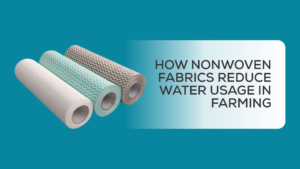
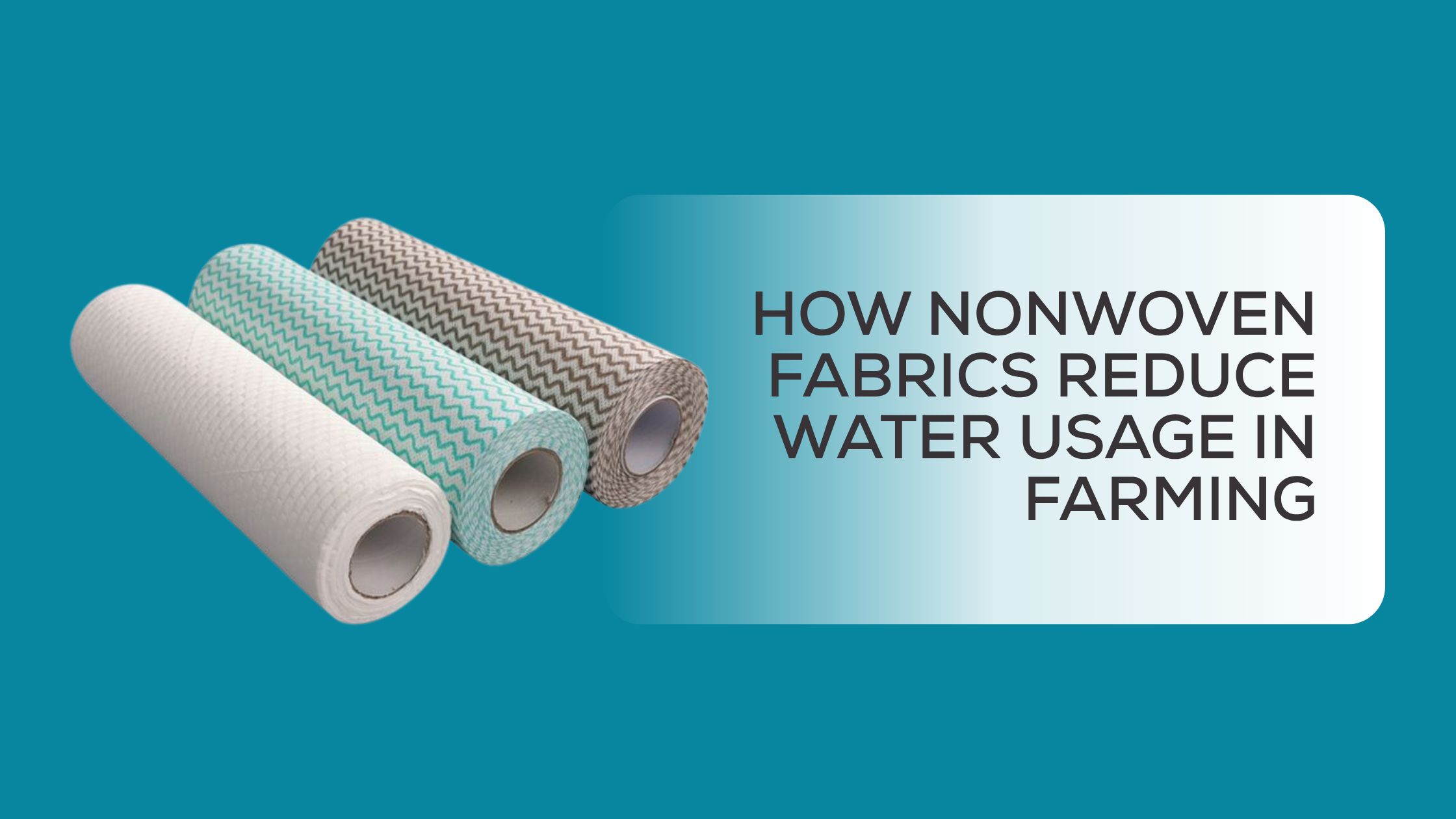
Nonwoven fabrics are engineered materials made by bonding fibers together through heat, chemicals, or mechanical pressure rather than weaving, resulting in lightweight yet durable sheets built for specific purposes. In agriculture, nonwoven fabric is designed to be breathable, UV-resistant, and permeable, allowing water and air to pass through freely while shielding soil and roots from heat and evaporation. Unlike plastic films, non woven fabric lets crops breathe naturally, and its non woven fabric uses range from ground covers and mulching to crop protection and greenhouse systems, making it one of the most multipurpose materials in modern agriculture.
How Nonwoven Fabrics Reduce Water Usage in Farming
The ability of water saving techniques in farming using nonwoven fabric to reduce water consumption comes down to several interconnected mechanisms, each of which works together to keep moisture where it is needed most: in the soil and available to plant roots.
Moisture Retention
Laying nonwoven mulch fabric over soil creates a physical barrier that slows down moisture loss by blocking the evapotranspiration that rapidly drains bare, exposed ground. After rain or irrigation, water stays trapped near the roots for much longer, meaning farmers irrigate less frequently and spend less on water and operational costs.
Reduced Evaporation
Direct sunlight accelerates soil moisture loss by heating the surface and increasing evaporation. Fabric mulch reduces this effect by shading and cooling the soil, helping retain moisture and improve irrigation efficiency.
Improved Irrigation Efficiency
Eco-friendly nonwoven fabric for water-efficient agriculture channels moisture directly downward toward plant roots rather than letting it spread and evaporate from the surface, making every irrigation cycle far more targeted and effective. Farmers who pair nonwoven covers with drip or sprinkler systems commonly report cutting water usage by 30 to 50 percent without any drop in crop performance.
Better Soil Temperature Control
Agricultural nonwoven fabric moderates soil temperature across seasons, keeping it warm enough in cooler months and cool enough in summer to prevent the heat stress that slows root activity and reduces water absorption. This stable growing environment means plants are physiologically better prepared to draw in moisture, making every liter of irrigation water more productive.
Weed Suppression
Nonwoven mulch fabric blocks sunlight from reaching the soil surface, preventing weed germination and cutting off the silent but significant water consumption that unwanted plants drain from your fields. With less competition for moisture, your crops claim a much larger share of the available water supply, reducing the total irrigation volume needed to achieve the same yield.
You would also like to read: Why Non-woven Fabric Is Ideal for Packaging Industry
Benefits Beyond Water Conservation
Beyond water savings, agricultural nonwoven fabric supports healthier crop growth, stronger root systems and reduced chemical use by naturally reducing weeds and shielding plants from pests, UV exposure, and temperature stress. Farmers who invest in quality custom fabric solutions for agriculture use consistently find that the savings in water, chemicals, and labour more than offset the material cost, while also bringing higher-value crops to market.
Sustainable Farming and the Future of Agricultural Nonwovens
Eco-friendly nonwoven fabric for water-efficient agriculture is advancing rapidly, with biodegradable and recyclable options already available that deliver the same moisture retention and crop protection benefits while breaking down naturally and returning organic matter to the soil. Looking ahead, innovations like sensor-embedded fabrics and slow-release nutrient treatments are set to make water saving techniques in farming using nonwoven fabric even more precise and effective in the coming decade.
Choosing the Right Nonwoven Fabric for Agricultural Use
Choosing the right agricultural nonwoven fabric comes down to matching key specifications like GSM, UV resistance, and breathability to your crop type and climate, with lighter fabrics suited to crop covers and heavier options better for mulching and weed suppression. For growers with specific needs, custom fabric solutions for agriculture use allow you to work with specialist suppliers to get a material precisely tailored to your conditions, ensuring maximum performance from every square metre deployed.
Oman’s Trusted Partner for Agricultural Nonwoven Fabric
Unique Solutions is a leading non-woven fabrics supplier in Oman, providing farmers and agribusinesses with high-performance fabrics for mulching, crop covers, weed control and greenhouse use. Contact today for better dealing.
Conclusion
Water conservation is essential in modern agriculture for productivity and stability. Agricultural non-woven fabric provides a practical solution by improving moisture retention, reducing evaporation, enhancing irrigation efficiency, and suppressing weeds. These benefits lead to healthier crops, better yields, and lower resource use, making it a smart investment for modern farming.
Frequently Asked Questions
Are agricultural nonwoven fabrics reusable?
Yes, many nonwoven fabrics can be reused for multiple seasons, while biodegradable options are designed for single-season use.
Can nonwoven crop covers improve crop yield?
Yes, they help improve crop yield by reducing plant stress, retaining moisture, and protecting crops from weeds and pests.
What is the difference between mulch film and nonwoven mulch fabric?
Mulch film is impermeable plastic, while nonwoven mulch fabric is breathable, water-permeable, and often more eco-friendly.
Are agricultural nonwoven fabrics environmentally friendly?
Many nonwoven fabrics are reusable, and biodegradable options provide an environmentally friendly solution for sustainable farming.