The non-woven medical textiles market was valued at $14.8 billion in 2025 and is projected to reach $27.6 billion by 2034 and it is easy to see why. From surgical gowns and face masks to wound dressings and disposable bed covers, non-woven fabrics have become the backbone of modern medical textiles.
But why exactly do hospitals, clinics, and medical manufacturers choose non-woven fabrics over traditional woven materials? In this blog, we cover the key reasons including barrier protection, breathability, sterility, cost, and GSM selection. So medical textile buyers in Oman can make better, more informed sourcing decisions.
What Are Non-Woven Fabrics?
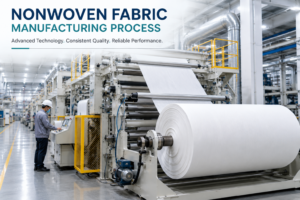
Non-woven fabrics are materials made directly from fibers without any spinning or weaving involved. The fibers are bonded using heat, pressure, or chemicals to create a strong, uniform sheet of fabric. The most common method used in medical textiles is the spunbond process, where polypropylene fibers are melted, stretched into thin strands, and bonded together using heat to create a consistent, durable fabric. The end result is a material that is breathable, lightweight, sterile, and disposable, making it the perfect choice for medical use. As a trusted Non-Woven Fabric company in Oman, we provide quality materials designed for healthcare, hygiene, and protective applications.
Why Non-Woven Fabrics Are Perfect for Medical Use
There are many fabric options available for medical use but non-woven fabrics stand out for one simple reason: they are built for the job.
Barrier Protection
Non-woven fabrics form a dense fiber network that effectively blocks bacteria, viruses, and body fluids keeping both patients and medical staff protected at all times.
Breathability
Despite their protective properties, non-woven fabrics allow air to circulate freely. This makes them comfortable enough for doctors and nurses to wear for long hours without feeling hot or restricted.
Sterility
Non-woven fabrics can be easily sterilized using standard medical methods including gamma radiation, ethylene oxide, and steam making them suitable for even the most sterile medical environments.
Disposability
Single use non-woven products are simply discarded after use eliminating any risk of cross contamination between patients and making infection control significantly easier.
Lightweight
Non-woven fabrics are incredibly light, easy to handle, store, and transport in bulk. This is especially important for medical facilities managing large volumes of disposable supplies every day.
Cost Effective
Non-woven fabrics are manufactured at high speed using affordable raw materials like polypropylene keeping the cost per unit low even for large bulk medical orders.
Fluid Resistance
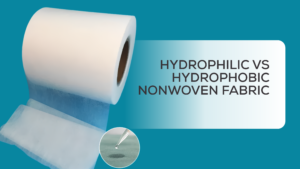
Hydrophobic non-woven fabrics repel liquids completely preventing blood, fluids, and chemicals from penetrating the fabric and reaching the skin or surgical area underneath.
Customizable
Non-woven fabrics can be produced in any GSM, width, color, and treatment making it easy to customize the fabric for any specific medical application or performance requirement.
Non-Woven vs Woven Fabric Which is Better for Medical Use?
Still wondering why hospitals switched from traditional woven fabrics to non-woven? Here is a simple side by side comparison that explains everything.
| Feature | Non-Woven Fabric | Woven Fabric |
| Barrier Protection | Excellent | Limited |
| Disposability | Easy & affordable | Expensive to dispose |
| Sterility | Easy to sterilize | Harder to sterilize |
| Cost | Low | High |
| Weight | Lightweight | Heavier |
| Cross Contamination | Eliminated | Risk present |
| Customization | High | Limited |
Most Common Medical Applications of Non-Woven Fabrics
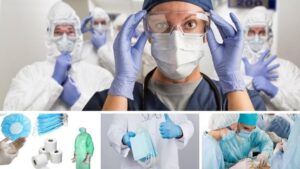
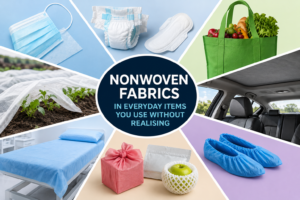
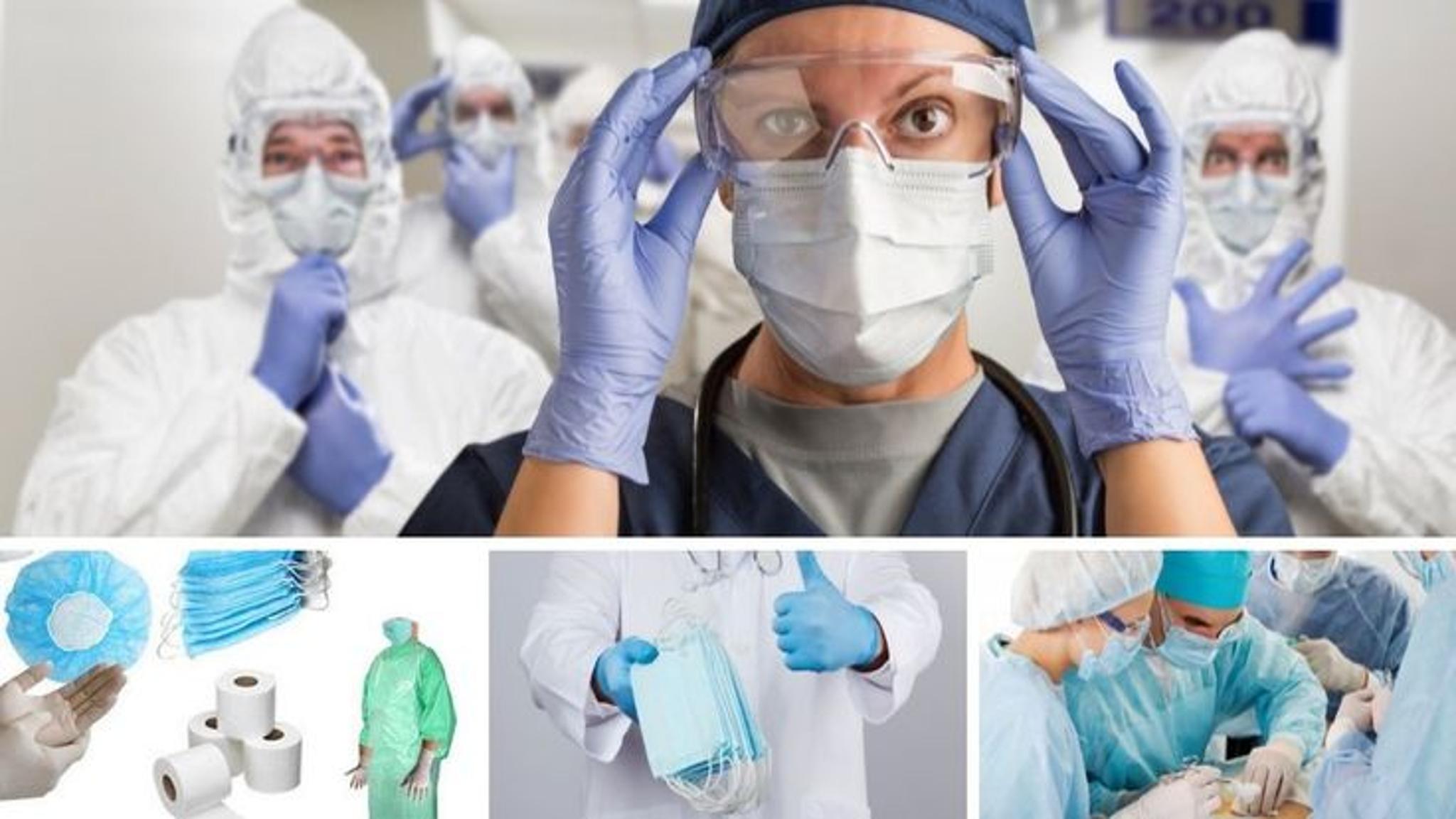
Non-woven fabrics are used in almost every area of modern healthcare. Here are the most common applications you will find in hospitals, clinics, and medical facilities across Oman and beyond.
Surgical Gowns & Drapes
Non-woven fabrics are the standard material for surgical gowns and drapes providing a strong fluid resistant barrier that protects both the surgeon and the patient during procedures.
Face Masks & Respirators
The middle layer of most medical face masks is made from melt-blown non-woven fabric capable of filtering more than 95% of bacteria and airborne particles.
Wound Dressings & Bandages
Soft, breathable non-woven fabrics are used in wound dressings and bandages allowing air circulation while keeping the wound protected and free from contamination.
Disposable Bed Sheets & Covers
Hospitals use non-woven disposable bed sheets and covers to maintain hygiene between patients reducing the risk of hospital acquired infections significantly.
Sterilization Wraps
Non-woven sterilization wraps protect surgical instruments and medical equipment from contamination after sterilization keeping them sterile until the moment they are needed.
Hygiene & Sanitary Products
From adult diapers to sanitary pads and baby care products, non-woven fabrics provide the softness, absorbency, and skin-friendly properties that hygiene products require. High-quality Non Woven fabrics for Hygiene Materials ensure comfort, durability, and safety, making them the ideal choice for all personal care and hygiene applications.
ICU & Isolation Gowns
In high risk areas like ICUs and isolation wards, non-woven isolation gowns provide an extra layer of protection blocking bacteria and viruses in the most critical medical environments.
Medical Wipes & Swabs
Non-woven medical wipes and swabs are used for wound cleaning, surface disinfection, and patient care soft enough for sensitive skin but strong enough to hold disinfectant solutions effectively.
What GSM is Best for Medical Non-Woven Fabrics?
If you have ever sourced non-woven fabric for medical use, you have probably asked this question and honestly, none of your competitors are answering it clearly. So let’s fix that.
GSM stands for Grams per Square Meter. It simply tells you how heavy or light the fabric is. The higher the GSM, the thicker and stronger the fabric. The lower the GSM, the lighter and more flexible it is. In medical applications, choosing the right GSM is not just a preference it directly affects protection, comfort and performance.
| GSM Range | Best Medical Application |
| 10–20 GSM | Face masks, light hygiene products |
| 20–40 GSM | Surgical gowns, disposable bed covers |
| 40–60 GSM | Medical drapes, isolation gowns |
| 60–80 GSM | Heavy duty surgical drapes |
| 80–120 GSM | Sterilization wraps, protective gear |
At Unique Solutions, we manufacture non-woven fabric across a full 8–180 GSM range. So whether you need ultra-light fabric for disposable masks or heavy-duty material for sterilization wraps, we can produce exactly what your product requires with consistent quality every single batch.
The Future of Non-Woven Fabrics in Medical Textiles
The future of medical non-woven fabric is moving fast and in four very exciting directions. Nanotechnology is enabling fabrics to filter microscopic particles that traditional materials simply cannot block. Biodegradable nonwovens are solving the medical waste problem by breaking down naturally after use without harming the environment. Smart non-woven fabrics are being developed to release medication directly into wounds and monitor healing progress in real time. And silver ion treated fabrics are already killing bacteria on contact reducing infection risk and speeding up wound recovery without additional medication. The medical industry is evolving rapidly and manufacturers who source from forward-thinking suppliers like Unique Solutions will always stay ahead.
Why Oman Medical Businesses Choose Unique Solutions
Unique Solutions is the only non-woven fabric manufacturer based in Oman meaning faster local delivery, consistent quality and zero dependency on distant overseas suppliers. Every roll we produce is ISO 9001:2015 certified and OEKO-TEX compliant, manufactured across a full 10–120 GSM range and fully customizable in width, color and finish for any medical or hygiene application. Whether you need lightweight fabric for face masks or heavy-duty material for sterilization wraps we have it ready. And before you place any bulk order, request a free sample and test the quality yourself with zero risk.
Conclusion
Non-woven fabric has become one of the most important materials in modern healthcare lightweight, breathable, bacteria resistant, disposable and cost effective all at once. From surgical gowns and face masks to wound dressings and sterilization wraps, nothing does the job as well. And as nanotechnology, biodegradable materials and smart fabrics continue to evolve non-woven fabric will only become more indispensable to the medical industry worldwide. If you are a medical or hygiene product manufacturer in Oman or across the GCC, Unique Solutions gives you ISO certified, custom GSM, locally manufactured non-woven fabric with fast delivery and free samples before you commit to a single bulk order.
Get your free quote from Unique Solutions Oman today