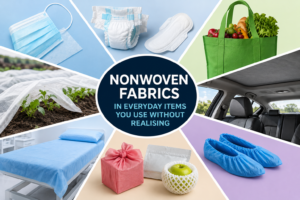
If you’ve ever worn a surgical mask, used a diaper, or wiped a surface with a cleaning cloth, you’ve already come in contact with nonwoven textile you just didn’t know about it. Among all types of nonwoven fabrics, spunbond and meltblown are the two most widely used and they’re affordable to manufacture, functional, and incredibly useful across medical, industrial, hygiene materials, and filtration applications.
But they’re not the same. They look similar, but they serve very different purposes. Understanding the difference between spunbond and meltblown fabric can help you choose the right material for the right job. In this guide we will cover the facts that make spunbond and meltblown fabric different from each other.
What is Spunbond Nonwoven Fabric?
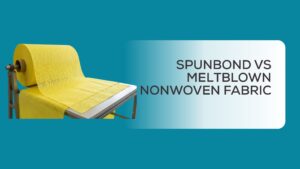
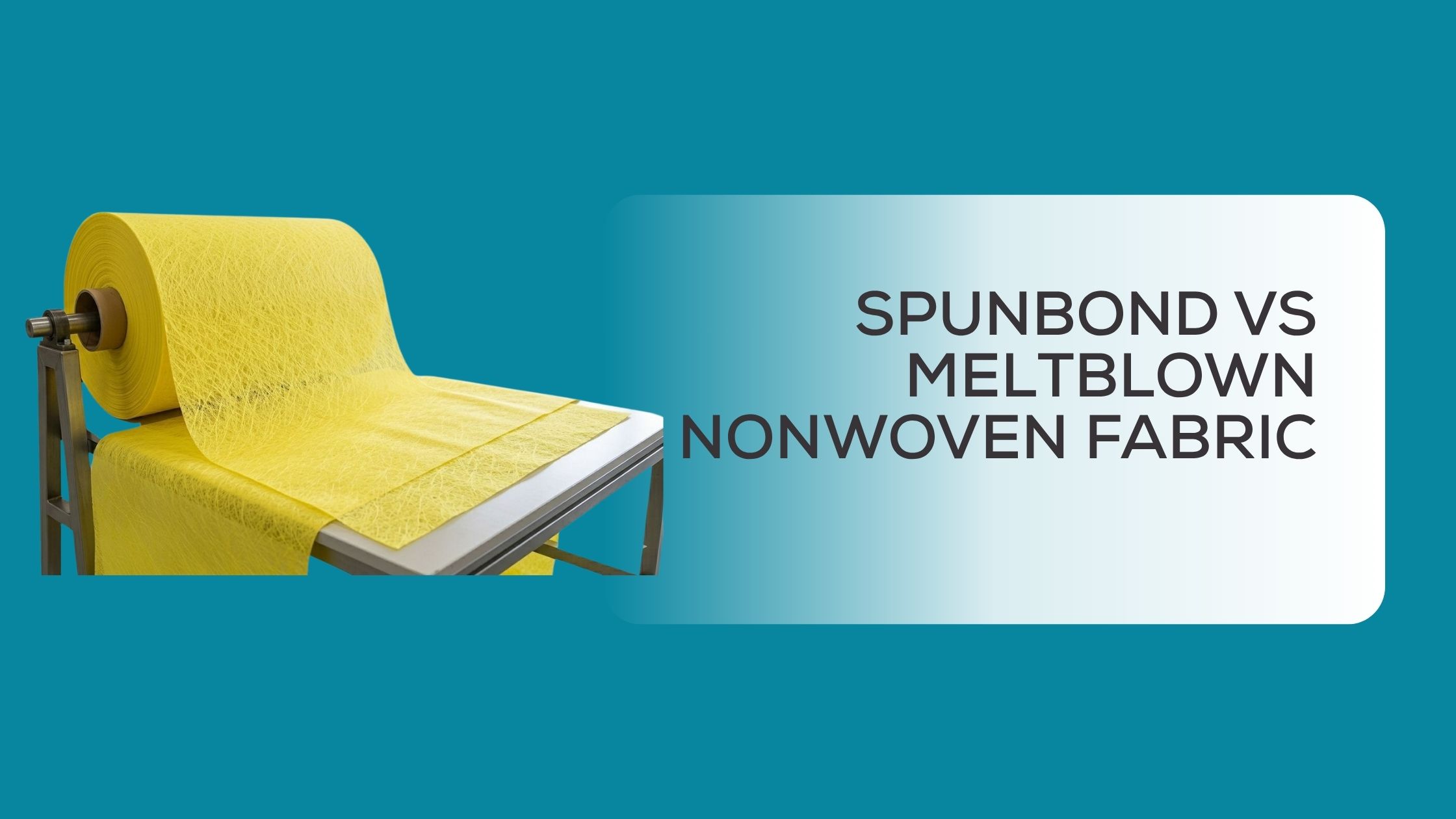
This particular nonwoven fabric is created using the continuous filament of polypropylene which is formed via the use of small nozzles before being stretched and then fused using heat or pressure, the process referred to as Spunbond. This creates a durable fabric that does not retain moisture and is lightweight. As such, polypropylene spunbond nonwoven fabric becomes one of the best options to consider for many industries including health, hygiene, and manufacturing industries due to its affordability and wide availability.
What is Meltblown Nonwoven Fabric?
Meltblown nonwoven fabric can be produced by spraying molten polypropylene fibers via ultra-fine openings using high-speed hot air, hence producing ultra-fine fibers ranging between 1 micron and 5 microns in width to form an ultrafine fiber matrix with specific filtration properties. The ultra-fine fiber nature of this product makes meltblown polypropylene unique from other non-woven fabrics since it offers better particle-capturing capacity, softness, and absorbency. It doesn’t matter whether one refers to the fabric as meltblown or meltdown since getting it from a reputable meltblown nonwoven fabric manufacturer guarantees its fiber quality.
Spunbond vs Meltblown Nonwoven Fabric: Key Differences
Feature | Spunbond Fabric | Meltblown Fabric |
Production Process | Continuous filament extrusion | Microfiber extrusion with high-speed air |
Fibre Size | Thick/coarse fibres | Ultra-fine microfibres |
Texture | Strong and firm | Soft and delicate |
Strength | High tensile strength | Lower strength |
Filtration Efficiency | Moderate | Very high |
Breathability | Excellent | Moderate |
Main Use | Packaging, agriculture, upholstery | Masks, filters, medical products |
Cost | More affordable | Higher production cost |
Durability | Durable | Less durable alone |
Water Resistance | Good | Limited |
Usage in Everyday Products
You encounter spunbond and meltblown fabrics, often combined in many everyday products. You’ll find them most in:
- Surgical Masks: The outer and inner layers of a standard surgical mask are made from spunbond fabric, while the middle filter layer is meltblown.
- Diapers: Spunbond fabric forms the soft top sheet and back sheet of diapers. It’s breathable, gentle on skin, and holds the structure together.
- Grocery Bags: Reusable non-woven grocery bags are almost always made from spunbond polypropylene. They’re lightweight, strong, and can be used dozens of times.
- PPE Kits: Personal Protective Equipment such as coveralls, gowns, and shoe covers rely on spunbond for its barrier properties and durability. Meltblown adds filtration where needed.
- Cleaning Wipes: Meltblown’s absorbency makes it ideal for cleaning wipes, while spunbond adds strength so the wipe doesn’t fall apart during use.
- Air Conditioning Filters: One of the most well-known meltdown fabric uses is in HVAC and air conditioning filters, where its fine fibre structure captures dust, allergens, and pollutants.
Common Applications of Spunbond and Meltblown Fabrics
Industry | Spunbond Fabric | Meltblown Fabric |
Medical | Surgical gowns | Face mask filters |
Agriculture | Crop covers | — |
Packaging | Shopping bags | Protective packaging |
Filtration | Basic filters | High-efficiency filters |
Hygiene | Diaper outer layers | Absorbent inner layers |
Furniture | Upholstery backing | — |
Advantages of Spunbond Nonwoven Fabric
- The continuous filaments make spunbond polypropylene fabric highly durable, allowing it to withstand any kind of strain without tearing.
- Spunbond polypropylene fiber is inexpensive to obtain as its raw material, and its production is very cost-efficient, which makes it the cheapest among other non-wovens suitable for spunbond non-woven fabric producers that manufacture on a large scale.
- Thick spunbond fabrics can be laundered and reused, which is why it can be applied in making shopping bags and agricultural films.
Advantages of Meltblown Nonwoven Fabric
- The ultra-fine fiber structure of meltblown nonwoven fabric provides a physical barrier to prevent bacterial infection, virus transmission, aerosol and fine dust contamination, hence forming the main filtering media in N95 face masks and surgical masks.
- Only meltblown polypropylene can manufacture nonwovens with such ultra-fine fibers through the microfiber structure, which results in extremely fine pores suitable for high filtration.
- From face masks to medical filters and air purification systems, Unique Solutions the trusted meltblown nonwoven fabric manufacturer will confirm that fibre quality directly determines the filtration grade of the final product.
Which Fabric is Preferred?
Industry | Preferred Fabric |
Face Masks | Meltblown |
Shopping Bags | Spunbond |
PPE Kits | SMS Fabric |
Agriculture | Spunbond |
Air Filtration | Meltblown |
Furniture | Spunbond |
The “SMS” Combination
Because spunbond offers high strength and meltblown offers excellent filtration, manufacturers often combine them. This is known as SMS (Spunbond-Meltblown-Spunbond) fabric, which sandwiches a fragile meltblown filter layer between two durable spunbond layers. SMS is the industry standard material for surgical masks, high-quality air filters, and heavy-duty medical protective clothing.
Spunbond and Meltblown Fabrics Manufactures in Oman
Unique Solutions provide reliable, high-quality nonwoven fabrics designed for strength, filtration, and versatility across industries. Need high-quality spunbond and meltblown nonwoven fabrics for your industry? Contact us today for reliable and customized solutions.
Conclusion
The spunbond vs meltblown comparison comes down to purpose, spunbond delivers strength, breathability, and affordability for hygiene, agricultural textile, and protective applications, while meltblown excels in filtration, making it essential for masks, respirators, and medical-grade products. In many cases, like SMS fabric in surgical masks, both work together and whether you’re sourcing from a spunbond non woven fabric manufacturer or a meltblown nonwoven fabric manufacturer, understanding these differences ensures you choose the right material for the right application.
Frequently Asked Questions
Is meltblown fabric waterproof?
Meltblown fabric is water-resistant but not fully waterproof.
Why is meltblown fabric used in masks?
Because its fine fibres provide excellent filtration efficiency.
Are spunbond and meltblown fabrics biodegradable?
Most are not fully biodegradable, but recyclable options are available.
Why is polypropylene used in nonwoven fabrics?
Because it is lightweight, durable, and cost-effective.
Is nonwoven fabric safe for skin contact?
Yes, many nonwoven fabrics are skin-friendly and used in hygiene products.