Nonwoven fabrics are made by bonding fibers without weaving or knitting. These materials are lightweight and super versatile, used in lots of different industries. Knowing the difference between disposable and reusable versions can really help buyers, manufacturers, and even casual explorers make smarter and more cost-effective choices.
In this blog, we will cover and understand the main difference between disposable and reusable products.
What Are Disposable Nonwoven Fabrics?
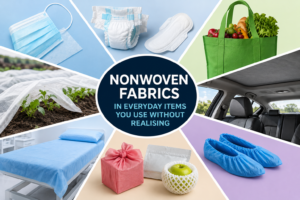
Disposable nonwoven fabrics are meant for one-time use in settings that prioritize hygiene materials and convenience. They keep things germ-free since you toss them after just one use. Think surgical masks, medical gowns, diapers, sanitary pads, and wipes.
The advantages of nonwoven fabrics lie in their consistent sterility and are super cheap per unit, perfect for instant cleanliness in medical and personal care contexts.
What Are Reusable Nonwoven Fabrics?
Reusable nonwoven fabric is really durable; it can handle being washed and used again and again without falling apart. This makes them last longer and create less waste. They’re used in things like shopping bags, furniture, and car interiors. Specifically, PP nonwoven fabrics and spunbond nonwovens are super popular for these reusable products.
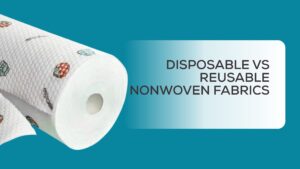
Disposable vs Reusable Nonwoven Fabrics: Key Differences
Here are some points that differentiate the disposable and reusable fabrics:
- Durability: Disposable nonwoven fabrics are lightweight and break down after a single use. Reusable nonwoven fabrics are stronger, with spunbond nonwoven fabric being a popular choice for long-lasting performance.
- Cost: Disposable fabric has a lower upfront cost but adds up over repeated purchases. Reusable fabric costs more initially but delivers savings over its extended lifespan.
- Environmental Impact: Disposable nonwoven fabrics can lead to waste unless managed correctly. On the other side, reusable alternatives are way better for the environment. Because of this, they make a much better option for companies aiming to run sustainably.
- Hygiene and Safety: Disposable nonwoven fabrics are unmatched in sterile environments, single use eliminates cross-contamination risk. Reusable fabrics, when properly washed, also maintain acceptable hygiene for non-medical settings.
You would also like to read: Spunbond vs Meltblown Nonwoven Fabric: Key Differences
Comparison Between Disposable and Reusable Nonwoven Fabric
Feature | Disposable Nonwoven Fabric | Reusable Nonwoven Fabric |
Durability | Single-use only | Long-lasting |
Cost | Low per unit | Higher upfront, lower long-term |
Environmental Impact | Higher waste | Eco-friendlier |
Hygiene | Sterile, no cross-contamination | Safe when properly cleaned |
Best For | Medical, hygiene | Bags, agriculture, automotive |
Choose The Right Fabric For Your Product
Choosing between disposable and reusable fabric comes down to your industry and use case. For medical and hygiene products; surgical gear, wound dressings, baby care, the disposable nonwoven fabric is a clear choice due to strict sterility requirements. For shopping bags, furniture, agricultural covers, and automotive interiors, reusable nonwoven fabric offers better durability and value. Consult a reliable nonwoven fabric manufacturer to match the right fabric type with your specific application needs.
Need more information? Contact us now.
Conclusion
The difference between disposable and reusable nonwoven fabrics isn’t just about how long they last, it’s about what your application actually demands. Disposable options win on hygiene; reusable ones win on sustainability and cost over time. Understanding the types of nonwoven fabrics available helps you choose wisely. The best nonwoven fabric is always the one that fits your purpose.
Frequently Asked Questions
Can reusable nonwoven fabrics be recycled?
Yes, many reusable nonwoven fabrics, especially PP nonwoven fabrics are recyclable depending on local facilities.
Are disposable nonwoven fabrics waterproof?
Yes, some disposable nonwoven fabrics can be treated or laminated to offer water resistance.
Do nonwoven fabrics shrink after washing?
Quality reusable nonwoven fabrics are designed to resist shrinkage, though low-grade versions may deform over time.
Can disposable nonwoven fabrics be composted?
Some bio-based disposable nonwoven fabrics are compostable, but most standard ones need proper waste disposal.