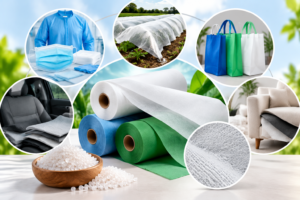
Non woven polypropylene fabric is a versatile material made from polypropylene fibers that are bonded together without weaving. It is widely used in industries like medical, hygiene, agriculture, packaging and automotive because it is lightweight, durable and can be customized for different needs.
In this guide, we will explain what non woven polypropylene fabric is, how it is made, its key properties, types, common applications and important factors to understand when choosing this material.
What Is Polypropylene Non Woven Fabric?
Polypropylene non-woven fabric is a type of fabric made from polypropylene fibers that are bonded together without weaving or knitting. Unlike traditional fabrics, it does not use threads woven into a pattern, which gives it a unique combination of strength, flexibility, and lightweight performance.
Polypropylene is a synthetic material known for its durability, moisture resistance, and chemical resistance. It is commonly used in nonwoven fabrics because it is easy to process, cost-effective, and can be designed with different properties for various applications.
Nonwoven vs Woven Polypropylene Fabric
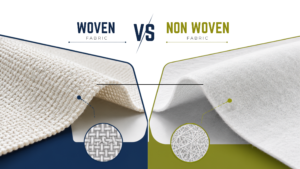
Nonwoven and woven polypropylene fabrics are made from the same base material, but their structure and performance are different. Understanding these differences helps in choosing the right fabric for a specific use.
| Factor | Nonwoven Polypropylene | Woven Polypropylene |
| Manufacturing | Fibers are bonded together without weaving | Threads are woven together in a pattern |
| Structure | Soft, flexible, and lightweight | More structured and rigid |
| Breathability | Allows better airflow | Generally lower airflow |
| Strength | Suitable for lightweight and general applications | Better for heavy-duty applications |
| Common Uses | Medical products, hygiene items, agriculture, and packaging | Industrial bags, heavy-duty packaging, and materials requiring high strength |
Nonwoven polypropylene fabric is often preferred when flexibility, breathability, and lightweight performance are important, while woven polypropylene is usually selected for applications that require higher strength and structural support.
How Is Nonwoven Polypropylene Fabric Made?
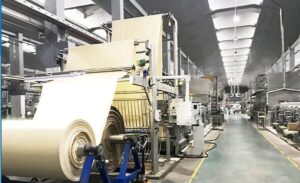
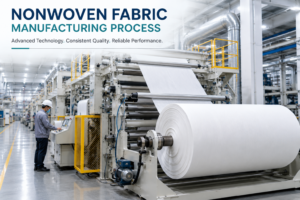
Nonwoven polypropylene fabric is made through a process where polypropylene material is converted into fibers and bonded together to create a fabric sheet. Unlike woven fabrics, the fibers are not interlocked with threads.
Polypropylene Fiber Creation
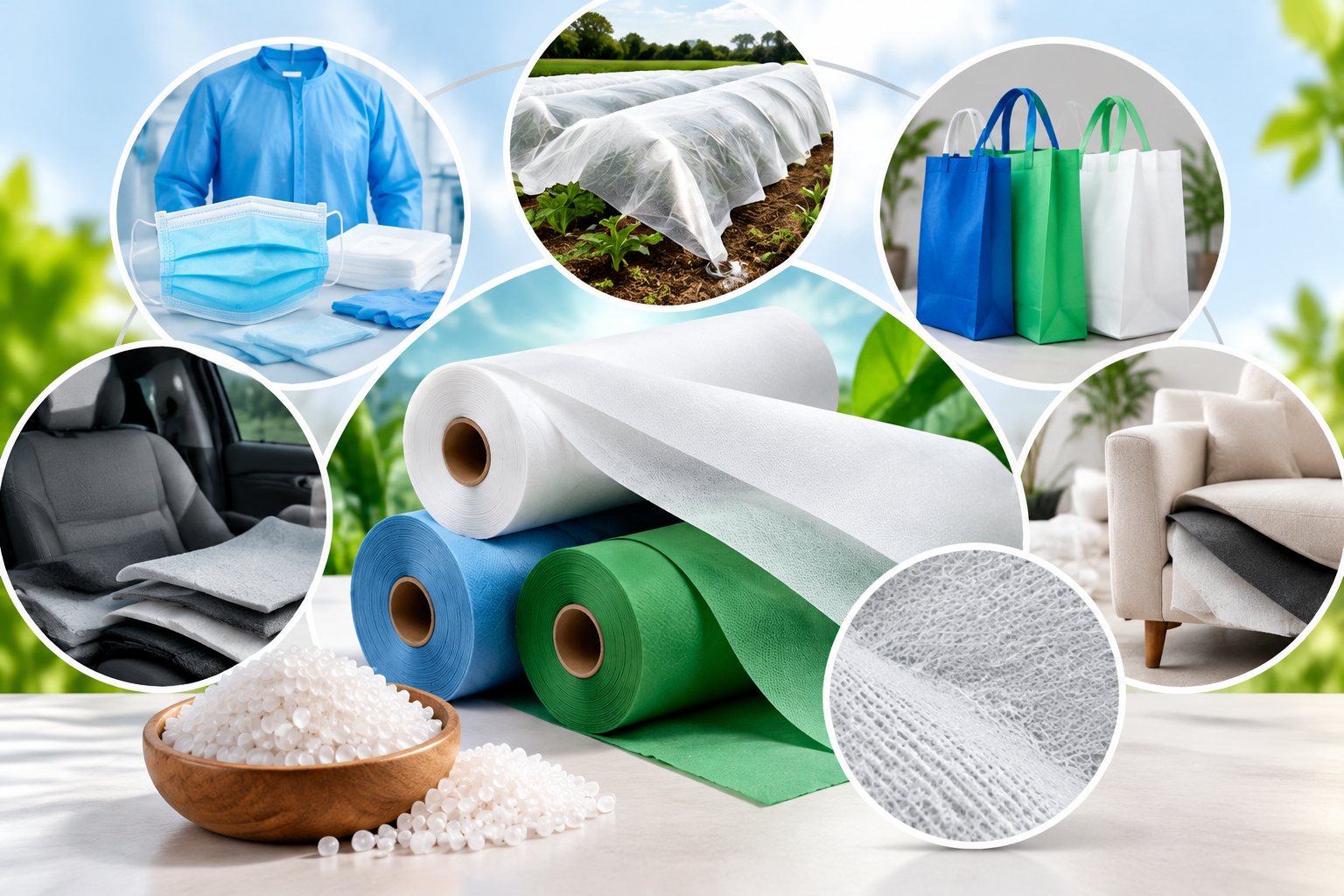
The process starts with polypropylene pellets, which are melted and pushed through small openings to create thin fibers. These fibers are then cooled and prepared for the next stage.
Web Formation and Bonding
The created fibers are arranged into a flat layer called a web. These fibers are then bonded together using heat, pressure, or other bonding methods to form a strong and flexible nonwoven fabric.
Key Properties of Non Woven Polypropylene Fabric
Non woven polypropylene fabric is widely used in different industries because it offers a good balance of strength, flexibility, and performance. Its properties can also be adjusted based on the requirements of a specific application.
Lightweight Nature
Non woven polypropylene fabric is lightweight and easy to handle, making it suitable for products where reducing weight is important. This makes it useful in medical, packaging, agriculture, and other industries.
Strength and Durability
Despite being lightweight, non woven polypropylene fabric provides good strength and durability. It can handle regular use and resist tearing when the right fabric weight and structure are selected.
Breathability
The fiber structure of non woven polypropylene fabric allows air to pass through easily. This makes it suitable for applications where comfort and airflow are important, such as medical and hygiene products.
Moisture Resistance
Polypropylene naturally has moisture-resistant properties, which helps protect against water and liquid exposure. This makes it useful in applications where some level of moisture protection is needed.
Chemical Resistance
Non woven polypropylene fabric can resist many common chemicals, helping it maintain performance in different industrial environments.
Customizable Features
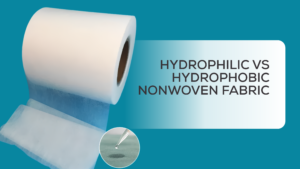
One of the advantages of polypropylene nonwoven fabric is that its properties can be modified for specific needs. For example, polypropylene spunbond nonwoven fabric can be designed with features like soft finishes for comfort, UV treatment for outdoor use, hydrophilic treatment for liquid management, and antistatic properties for sensitive applications.
Types of Non Woven Polypropylene Fabric
Non woven polypropylene fabric comes in different types, and each type is designed for specific performance needs. The main differences are based on fiber structure, strength, and the level of protection or filtration required.
Spunbond Nonwoven Fabric
Spunbond nonwoven fabric is made with continuous polypropylene fibers that create a strong and lightweight structure. It offers good durability, flexibility, and breathability, making it suitable for many everyday applications.
Common uses include:
- Bags and packaging materials
- Agriculture covers
- Medical products
Meltblown Nonwoven Fabric
Meltblown nonwoven fabric is made with very fine fibers that create a dense structure. These small fibers help improve filtration performance, making it useful where filtering particles or liquids is important.
Common uses include:
- Filters
- Medical and protective applications
SMS Nonwoven Fabric
SMS nonwoven fabric combines spunbond and meltblown layers to provide a balance of strength, softness, and barrier protection. It is designed for applications where both durability and protection are required.
Common uses include:
- Protective clothing
- Medical products
- Hygiene applications
Applications of Non Woven Polypropylene Fabric
Non woven polypropylene fabric is used in many industries because it can be designed with different properties like strength, softness, breathability, and moisture resistance. These features make it suitable for both everyday and industrial applications.
Medical and Hygiene Industry
Non woven polypropylene fabric is widely used in medical and hygiene products such as masks, gowns, and disposable items. It is preferred because it provides softness, breathability, and barrier protection while remaining lightweight and comfortable.
Agriculture Industry
In agriculture, non woven polypropylene fabric is used for crop covers, weed control materials, and plant protection. Agriculture Non-Woven Fabrics help protect crops while allowing air, water, and sunlight to pass through. UV resistance and lightweight protection make them suitable for outdoor use.
Packaging Industry
Non woven polypropylene fabric is commonly used for shopping bags and packaging materials. Its strength, lightweight nature, and ability to support custom printing make it a practical choice for reusable and promotional packaging solutions.
Automotive Industry
The automotive industry uses non woven polypropylene fabric in different interior components. Its lightweight structure, durability, and sound absorption properties make it useful for improving vehicle comfort and performance.
Furniture and Upholstery
Non woven polypropylene fabric is used in furniture and upholstery as backing material and protective layers. Its flexibility, strength, and consistent surface quality help provide support and improve product durability.
Frequently Asked Questions
1. What is non woven polypropylene fabric used for?
Non woven polypropylene fabric is used in medical products, hygiene items, agriculture, packaging, automotive, and furniture applications.
2. How is polypropylene fabric made?
Polypropylene fabric is made by melting polypropylene pellets, forming fibers, and bonding them together into a fabric sheet.
3. What is the difference between spunbond and meltblown fabric?
Spunbond fabric provides strength and durability, while meltblown fabric is mainly used for filtration due to its fine fibers.
4. What GSM is used for non woven polypropylene fabric?
The required GSM depends on the application, with lower GSM used for lightweight products and higher GSM for stronger applications.
Conclusion
Non woven polypropylene fabric is a versatile material used in industries like medical, hygiene, agriculture, packaging, and automotive. Its lightweight nature, strength, breathability, and customizable features make it suitable for different applications.
Understanding its types, properties, and uses helps you choose the right fabric according to your needs. A reliable non woven fabric manufacturer can also provide guidance on selecting the right specifications for better performance and results. With proper material selection, businesses can achieve better durability, functionality and efficiency for their products. This makes polypropylene nonwoven fabric a practical choice for a wide range of modern applications.